Cosmetic medicine is no longer discussed in the hushed, slightly awkward way it once was. In London, especially, conversations about tweakments have become more practical. People want to know what a treatment actually does, how long results last, and what risks they should weigh before they book.
That shift matters. Aesthetic procedures may be common, but they are still medical treatments, and the most sensible trend in the sector is not bigger lips or sharper cheekbones. It is better-informed patients.
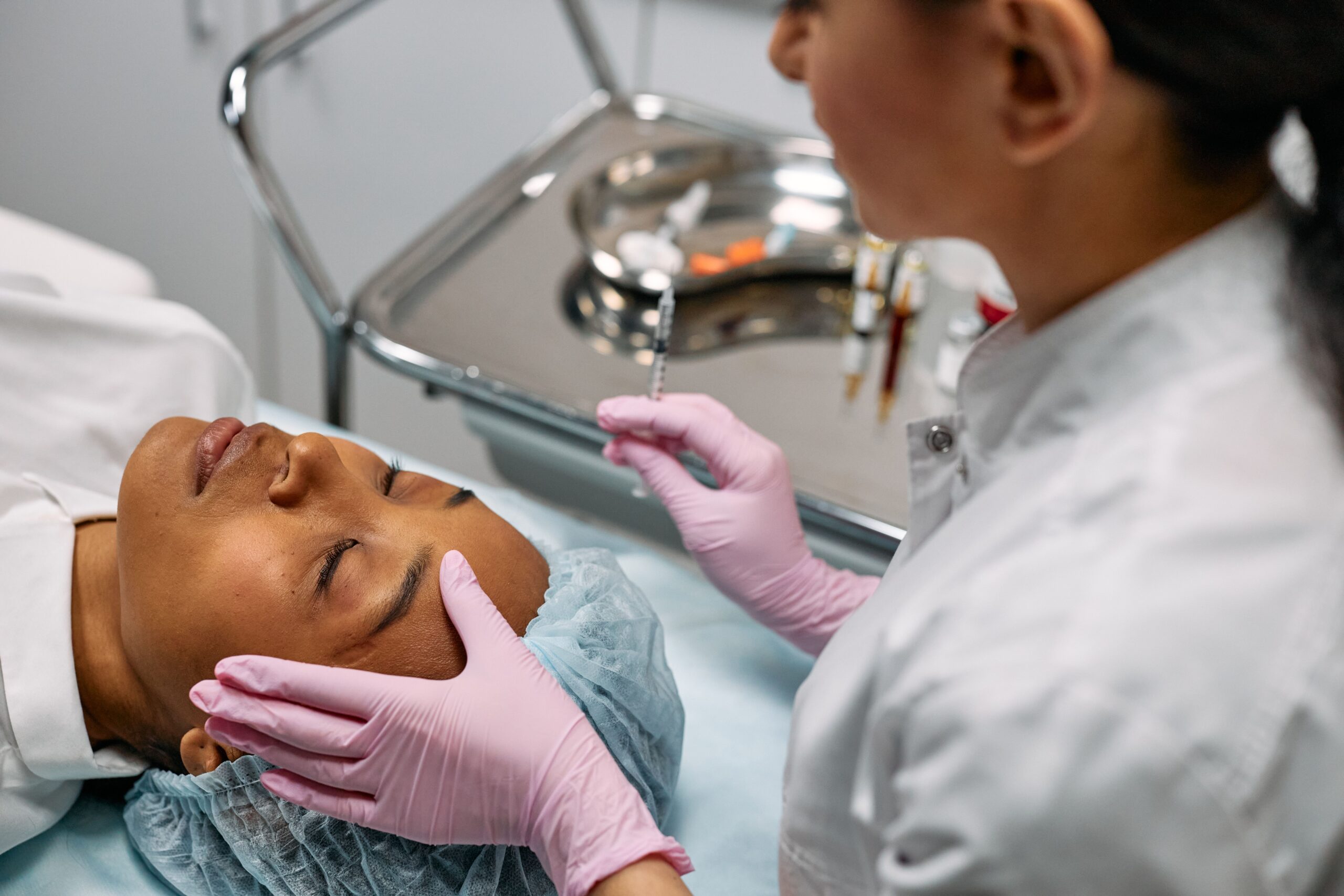
Part of that change comes from the sheer amount of information now online. Search habits reveal a lot about what people are thinking. Instead of browsing vague beauty inspiration, many are searching for specific treatment terms, practitioner credentials and aftercare advice. Searches such as dermal fillers London reflect that more focused mindset, where location, safety and treatment detail matter as much as the cosmetic result.
What people are getting more careful about
There is also a growing awareness that “non-surgical” does not mean risk-free. In a city packed with clinics, special offers and social media before-and-afters, the real skill is knowing what to ignore. Patients are becoming more alert to red flags, including:
- prices that seem implausibly low for a medical procedure
- consultations that feel rushed or too focused on selling
- providers who cannot clearly explain complications and aftercare
That is probably healthy for the industry as a whole. The best cosmetic decisions are rarely impulsive. They usually come after some research, a proper consultation and an honest discussion about whether a treatment is appropriate at all. In that sense, London’s aesthetics scene may be maturing.
Patients are moving beyond trends and asking a better question: not “what’s popular?” but “what’s safe, suitable and worth doing for me?”
Featured image credit: CottonBro Studio via pexels.