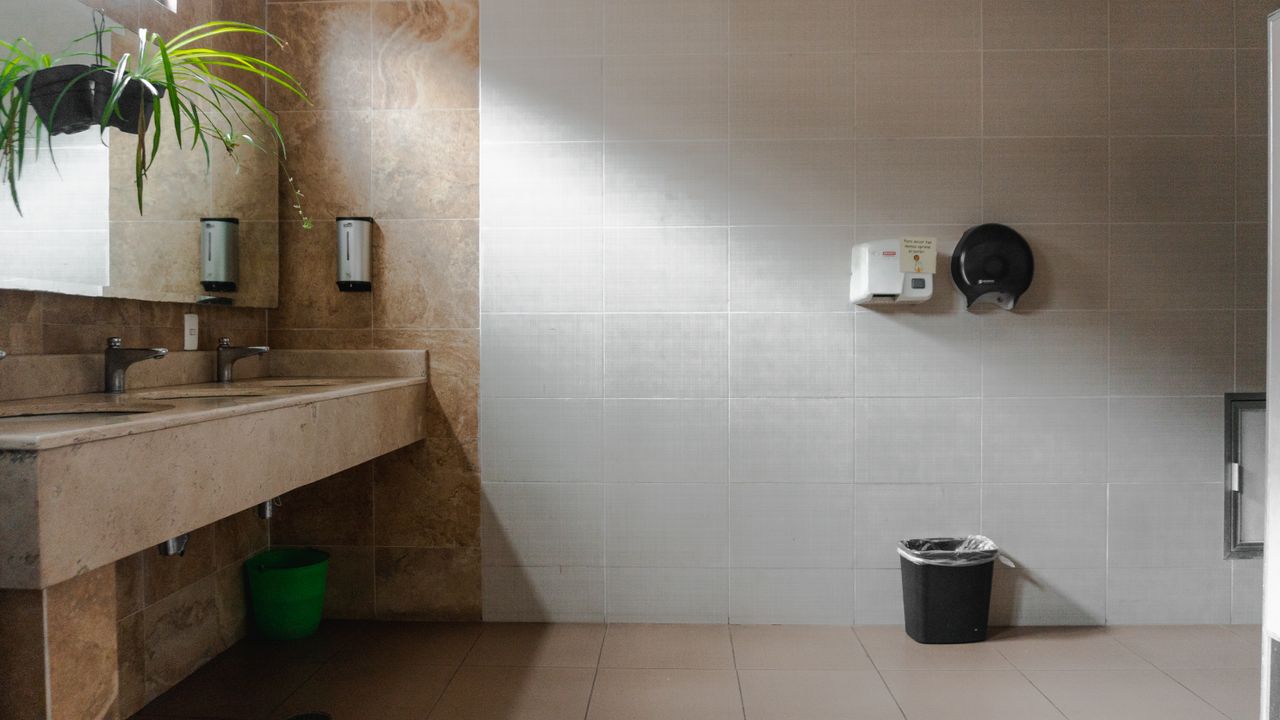
You can tell a lot about a café, gallery or village hall by its loos. Not in a snooty, mystery-shopper sense, but in the practical details people actually remember: whether the cubicles feel looked after, whether there’s soap in the dispenser, whether the bin is overflowing, whether drying your hands is a faff. Small things, but they shape how people judge a public place. A polished front desk means little if the facilities round the corner suggest nobody has checked them for hours.
There’s also been a broader shift in how shared spaces are managed. Since the pandemic, people pay closer attention to touch points, and managers put more thought into cleaning routines, maintenance and traffic flow. That’s one reason the humble hand dryer keeps coming up in conversations about washroom design. Not because it’s glamorous, but because it sits inside the larger question of how a place copes with daily use.
The details people clock, even if they never mention them
Most visitors won’t compliment a toilet block directly, but they will quietly form an impression based on:
- how easy it is to wash and dry hands without awkwardness;
- whether fixtures seem sturdy rather than wobbly or neglected;
- noise levels in small, echoing spaces;
- and whether the room feels designed for real people, not just regulations.
That last point matters. Good public spaces aren’t only about aesthetics, they’re about reducing friction. Nobody wants to queue in a cramped washroom, juggle wet hands, or touch five surfaces on the way out. When basic facilities are chosen with care and maintained properly, people rarely comment, and that’s often the best result. It just feels sorted.
In the end, this is less about toilets than standards. Places that get the small things right usually get the bigger things right too. For visitors, customers and staff, that quiet competence can say more than any branding on the wall.
Featured image credit: Heber Vazquez for Pixels.