There is a particular kind of tiredness that does not seem to respond to another workout, another productivity hack or another carefully optimised morning routine. You can be sleeping reasonably well, eating properly and still feel as though your body is asking for something different.
That is where Yin yoga has found an interesting place. Rather than treating exercise as another opportunity to achieve, improve or sweat, Yin asks you to slow down. And for women who spend much of their lives being physically and mentally “on”, that change of pace can be surprisingly valuable.
When Exercise Starts To Feel Like Another Job
The modern wellness world can sometimes make rest feel strangely competitive. There are recovery workouts, active recovery days, step targets and fitness trackers quietly informing us how well we have supposedly recovered.
Yin yoga takes almost the opposite approach.
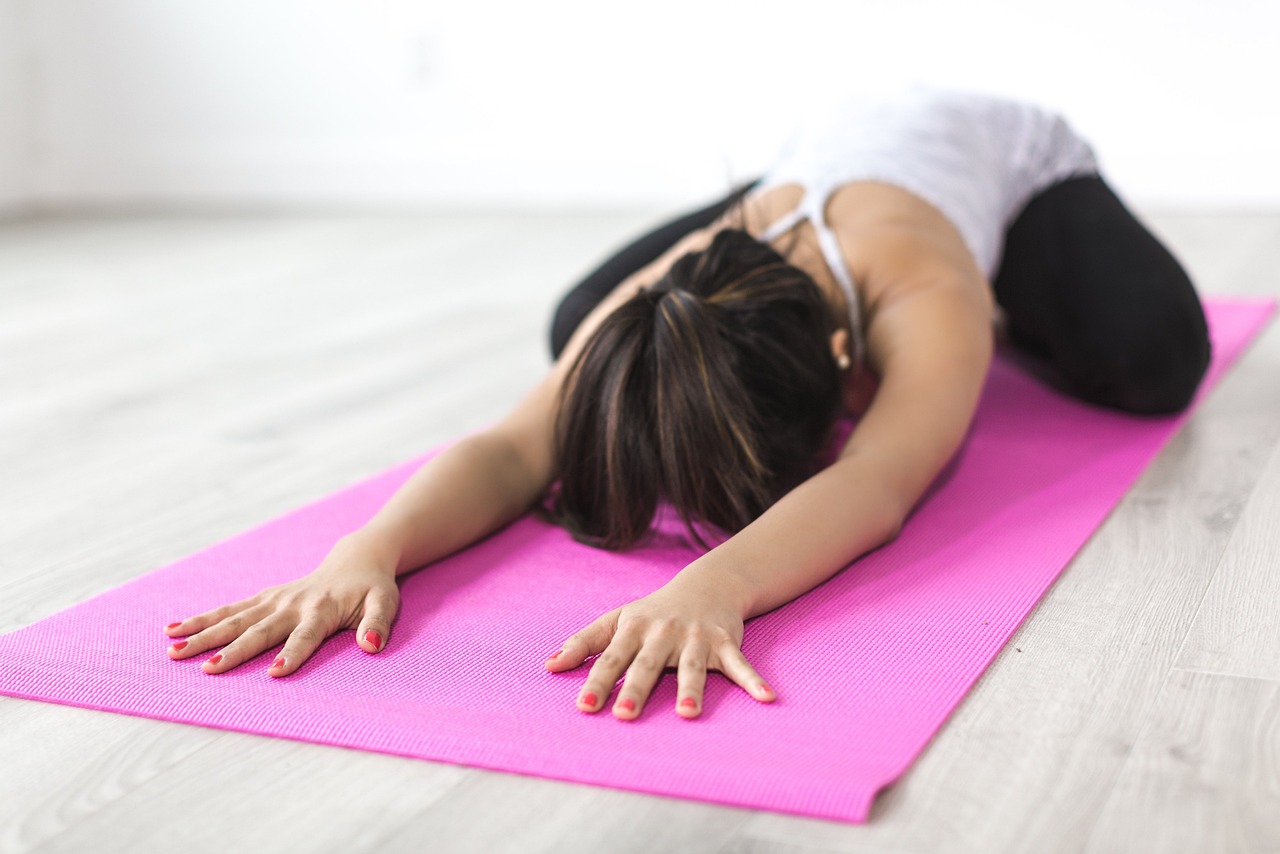
The practice involves holding relatively passive poses for several minutes, usually with the body supported by bolsters, blocks or cushions. The intention is not to force a deeper stretch or see how flexible you can become. Instead, there is an emphasis on staying still and allowing the body time to settle into a position.
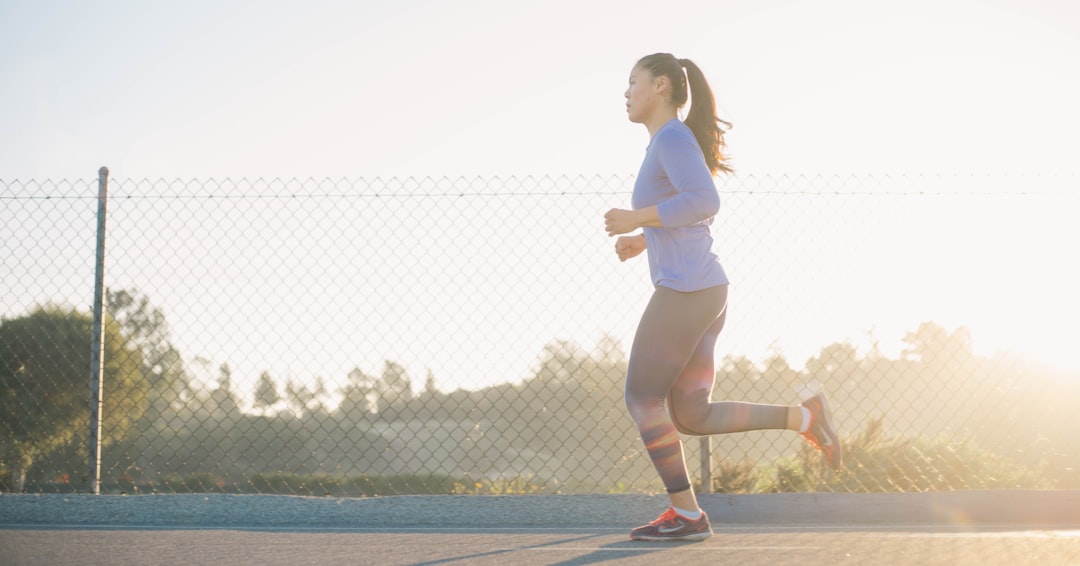
That makes it particularly interesting for women whose usual relationship with exercise involves running, classes, weights or high-intensity training. Yin isn’t necessarily a replacement for those activities. It occupies a completely different space.
The Appeal Of Doing Less
One of the most overlooked aspects of Yin yoga is psychological rather than physical: there is very little to prove.
You don’t have to master a pose. There is no competition with the woman on the next mat. Nobody is counting repetitions, calories or kilometres. In a culture where women’s bodies are so often treated as projects requiring constant improvement, that can be quite refreshing.
A Yin session might involve spending several minutes in a supported forward fold, a gentle hip-opening position or a reclining pose. The apparent simplicity can actually make the practice feel more demanding mentally. When there is nothing else to concentrate on, you become much more aware of how difficult it can be to simply remain still.
Why Yin Can Be Particularly Appealing During Busy Periods
Women’s energy levels and physical experiences can change considerably throughout life. Work pressures, motherhood, perimenopause, disrupted sleep and simply getting older can all alter what feels enjoyable or sustainable when it comes to exercise.
That doesn’t mean every woman needs a different yoga practice at different stages of life. It does, however, make a case for thinking about exercise more flexibly.
There are days when a vigorous class feels fantastic and days when the prospect of pushing through another workout feels distinctly unappealing. Yin provides another option: movement without intensity and stretching without turning flexibility into an achievement.
Yin Yoga Isn’t About Being Flexible
This is perhaps the biggest misconception worth challenging.
You do not need to be naturally bendy to enjoy Yin yoga. In fact, treating it as a test of flexibility rather misses the point. Props can make positions more comfortable and help take the pressure off joints and muscles.
The aim is not to make your body resemble the person demonstrating the pose. Your anatomy is your anatomy. Two people can perform what looks like exactly the same Yin posture while experiencing it very differently.
That makes the practice particularly useful for anyone who has become accustomed to judging exercise by how well their body performs.
A Different Kind Of Relationship With Your Body
Perhaps the most interesting thing about Yin yoga is that it encourages observation rather than correction.
You notice where you are holding tension. You notice whether you are comfortable. You notice the urge to move, fidget or come out of the pose. You learn that discomfort does not necessarily mean you should push further — and that distinction can be useful far beyond the yoga mat.
Of course, Yin yoga is not a treatment for medical conditions, and poses should never be forced through pain. Anyone with an injury or particular health concern should seek appropriate professional advice before starting.
But for women who have spent years thinking that exercise only “counts” when it is difficult, sweaty or measurable, Yin offers a rather different proposition.
Sometimes the most useful thing you can do for your body is stop asking it to do more.
Featured image by StockSnap.