Strong, well-groomed nails are more than a beauty detail—they’re a visible marker of overall health and self-care. For women juggling work, family and fitness routines, maintaining nail health between appointments can feel like a luxury. Yet small, consistent habits make a real difference to strength, appearance and confidence. If you’re looking for a trusted nail salon Wellingborough, professional guidance can elevate your at-home routine and address concerns like breakage or discolouration.
Why Nail Health Matters for Women
Nails reflect internal wellness as much as external care. Hormonal shifts, stress, diet and frequent hand-washing—all common in women’s lives—can leave nails brittle, ridged or slow to grow. Keratin, the protein that forms nails, relies on adequate hydration, protein intake and micronutrients such as biotin, iron and omega fatty acids to stay resilient. Ignoring early signs—splitting, peeling or white spots—can lead to deeper issues, including fungal infections or painful ingrown nails. Regular professional checks help catch problems early, especially if you wear gel or acrylic enhancements.
Daily Habits for Stronger Nails
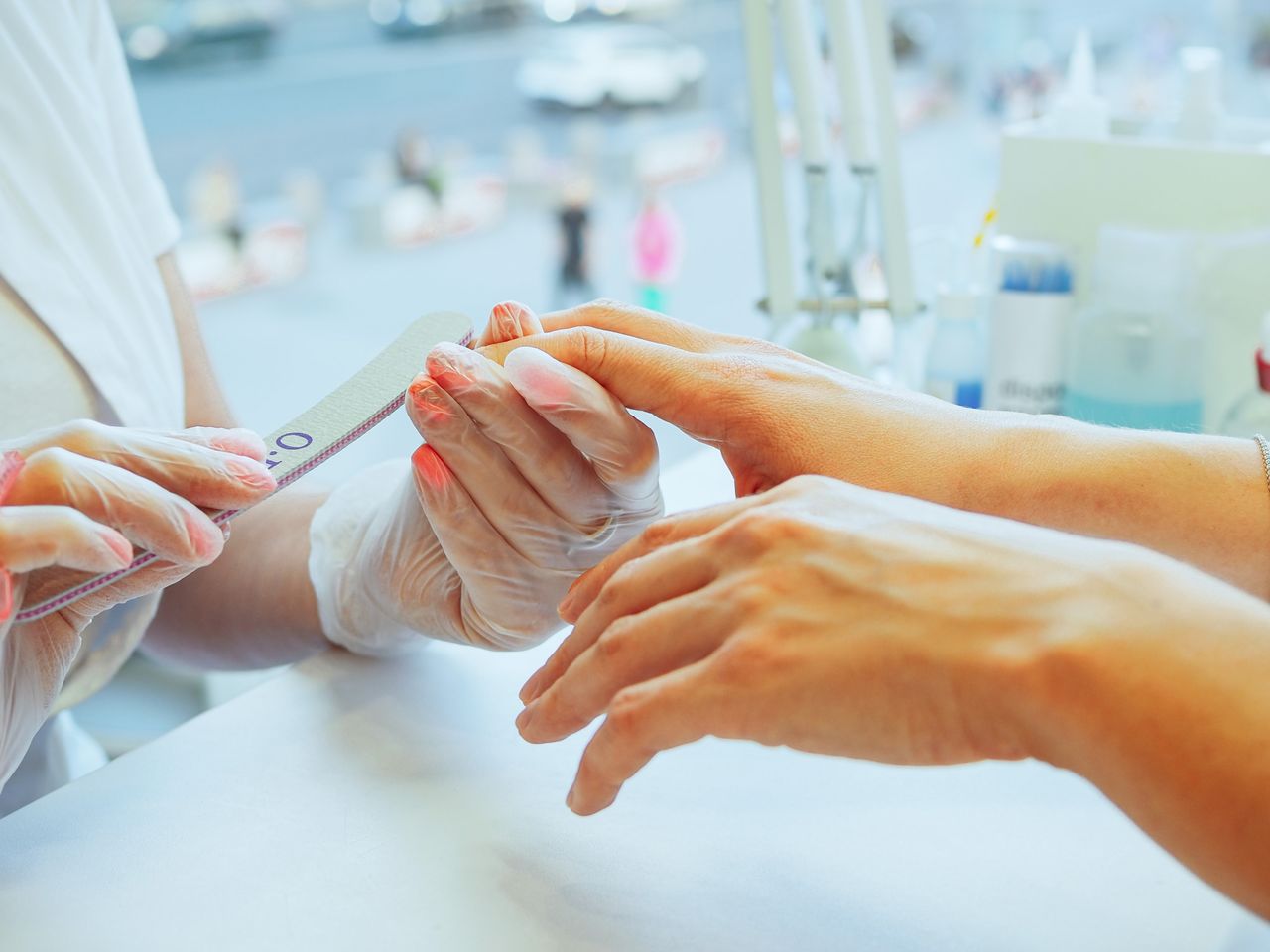
Building a simple, sustainable routine is the cornerstone of nail health. Start by keeping nails clean and thoroughly dried after washing to prevent bacterial or fungal growth. Apply cuticle oil morning and night; experts recommend this at least twice daily to maintain flexibility and prevent cracking. Avoid using nails as tools—opening cans, scraping stickers or digging out keys creates micro-traumas that weaken the nail plate over time. When filing, use a gentle, fine-grit file and move in one direction only; filing wet nails or sawing back and forth causes splitting. Limit polish remover to twice a month and choose acetone-free formulas to reduce dehydration.
Nutrition and Hydration: Fuel from Within
What you eat shows up on your fingertips. Aim for two litres of water daily to support nail growth and prevent brittleness. Prioritise protein-rich foods—eggs, fish, legumes and nuts—alongside biotin sources like almonds and sweet potatoes. Marine collagen supplements may replenish amino acids lost through ageing and lifestyle stress, promoting longer, stronger nails. If you’re vegetarian or vegan, ensure adequate iron and B12 intake through fortified foods or supplements, as deficiencies can cause pale, spoon-shaped nails.
Protecting Nails During Chores and Work
Household chores, gardening and frequent sanitising strip natural oils from nails and cuticles. Wear cotton-lined rubber gloves for washing up, cleaning or handling chemicals to shield against harsh detergents. For office workers, keep a mini hand cream and cuticle oil at your desk; reapply after every hand-wash to counteract drying effects. If you’re active in fitness or allotment gardening, trim nails short and file edges smooth to prevent snagging or breakage during physical tasks.
When to Seek Professional Help
Not all nail changes are cosmetic. Persistent discolouration, thickening, pain or separation from the nail bed warrant a dermatologist’s assessment, particularly if you suspect fungal infection or psoriasis. For routine maintenance, a professional manicure ensures correct cuticle care, safe filing techniques and high-quality products that minimise damage. If you’re in the East Midlands and value award-winning service, a nail salon Wellingborough offers bespoke treatments—from BIAB builder gel to acrylic extensions—tailored to your lifestyle and nail type. Technicians can also advise on safe removal of enhancements, preventing the peeling and thinning that often occurs with DIY attempts.
Choosing the Right Salon and Products
Look for salons that prioritise hygiene, use reputable brands and offer consultations to assess nail health before treatment. Ask about their sterilisation protocols for tools and whether they provide aftercare advice. At home, invest in a quality base coat—even if you skip colour—to protect the nail plate and extend polish wear. Revitalising treatments containing glycolic or lactic acid can exfoliate rough cuticles and improve product absorption.
Featured image credit: by Viktorya Sergeeva via Pexels.